
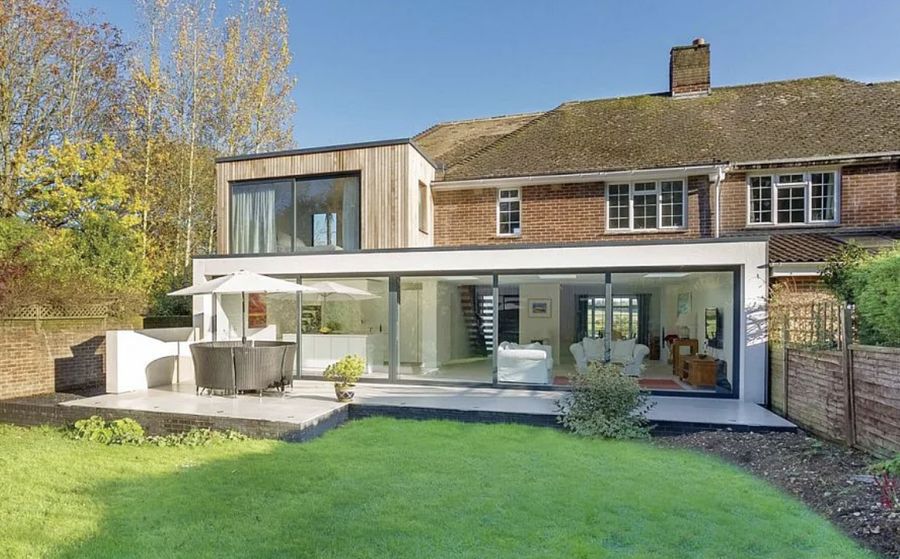
Cheshire has four planning authorities, not two. A practical comparison of Cheshire East, Cheshire West and Chester, Warrington and Halton — permitted development limits, conservation areas, Article 4 directions and what actually differs between them.
What a house extension actually costs in Cheshire in 2026 — per m² rates, worked examples by size, what drives the price up in conservation areas and brine subsidence zones, and how costs differ between Chester, Warrington, Crewe, Macclesfield and the Golden Triangle.
The complete guide to extending on designated land in Cheshire — the Green Belt proportionality test and the 1948 baseline, conservation area restrictions, Article 4 directions, listed buildings, the Peak District boundary and the brine subsidence Consultation Areas.
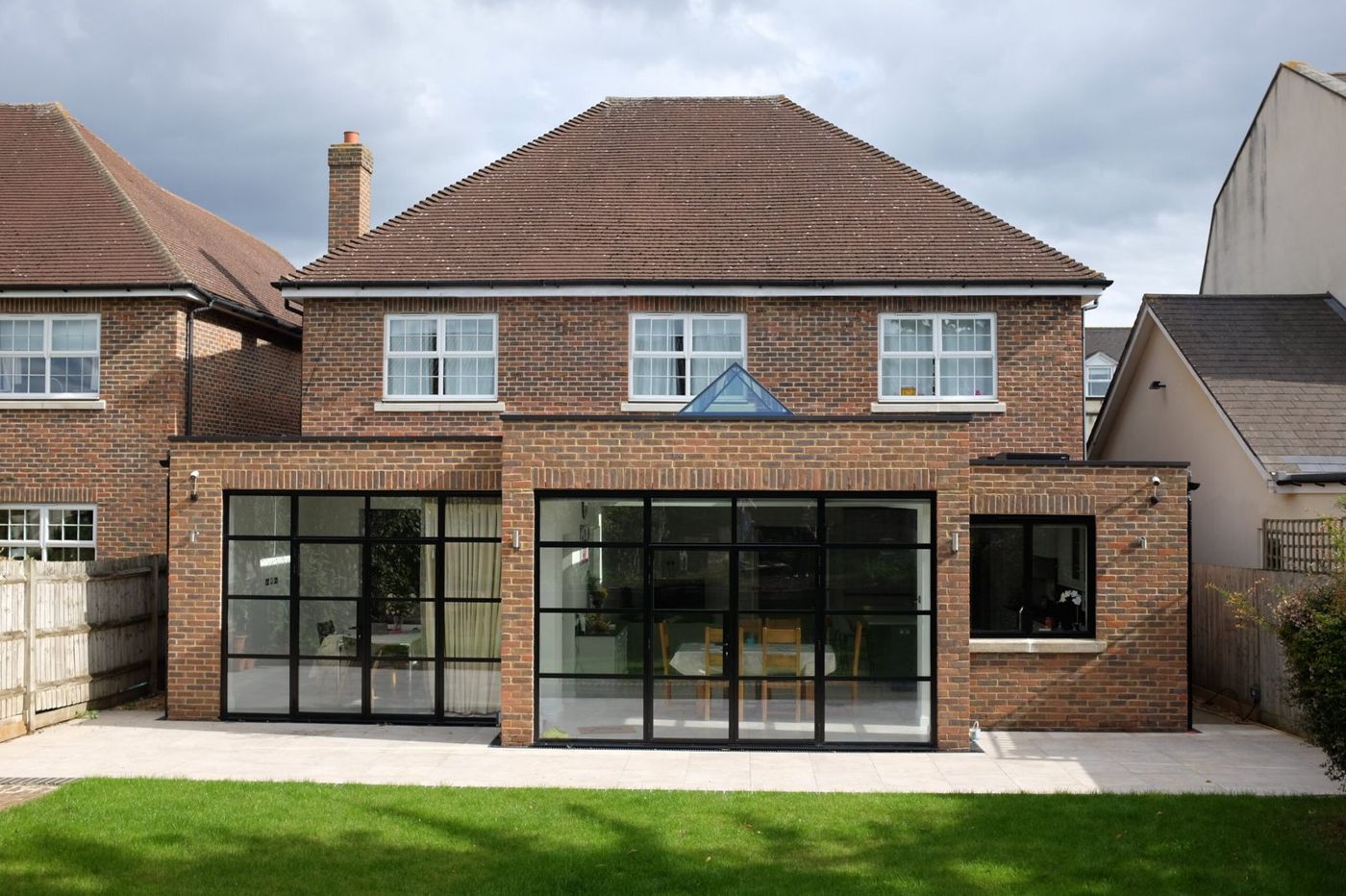
On a London terrace, a second storey is often the only way to add real space without losing the garden. Here's what £117k+ buys, and why the no-crane method is what makes it possible on a tight plot.
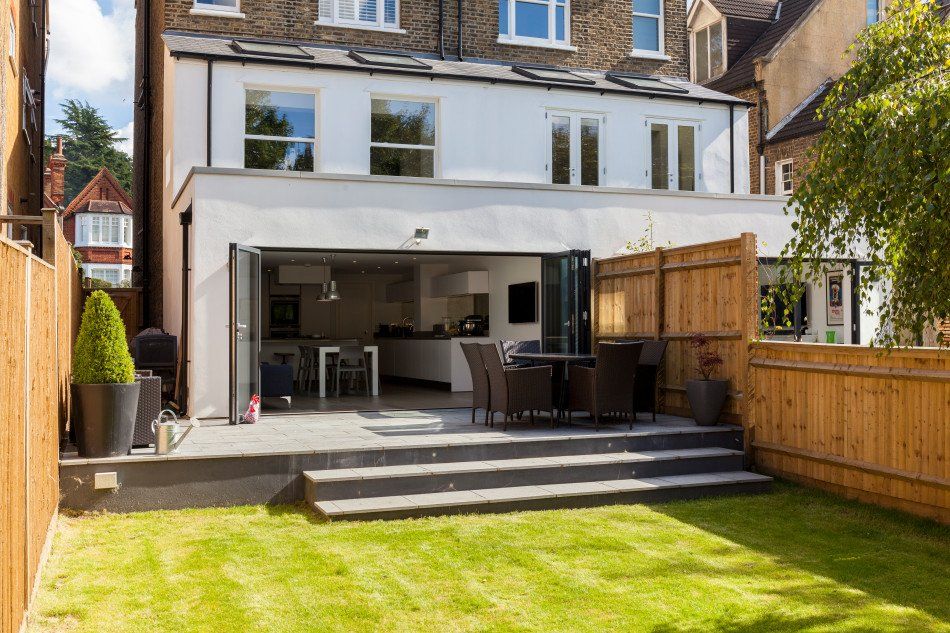
A two-storey extension is the best value per square metre we build — because the first floor uses the ground floor's foundations. Here's exactly what £117,750 buys, and how the pricing works.
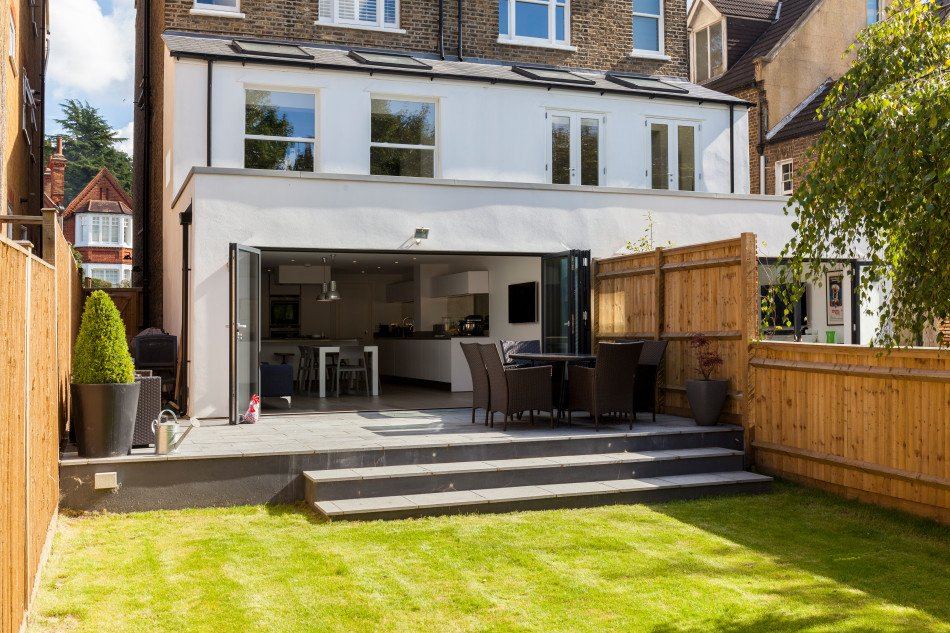
London is where the headline quote and the true cost diverge most — restricted access, party walls, conservation areas. Here's what a modular extension really costs across the capital, and why the fixed price matters most here.

On a tight London plot, the first question isn't cost — it's whether the extension can be built at all. Here's why the no-crane method changes what's possible on terraced and side-return sites across the capital.
A fair question that deserves a straight answer. Yes — a good modular extension is permanent, mortgageable and warrantied. But 'modular' covers a range of quality, so here's what actually matters.
One fixed price for a complete, weathertight, decorated shell — £3,000/m² ground floor, £2,750/m² first floor. Here's the full pricing matrix, what's included, and what's quoted separately.
%20(1).avif)
Similar headline price per square metre — but modular finishes in 8–10 weeks instead of 5–9 months, for one fixed price, with no cranes. Here's the honest side-by-side.
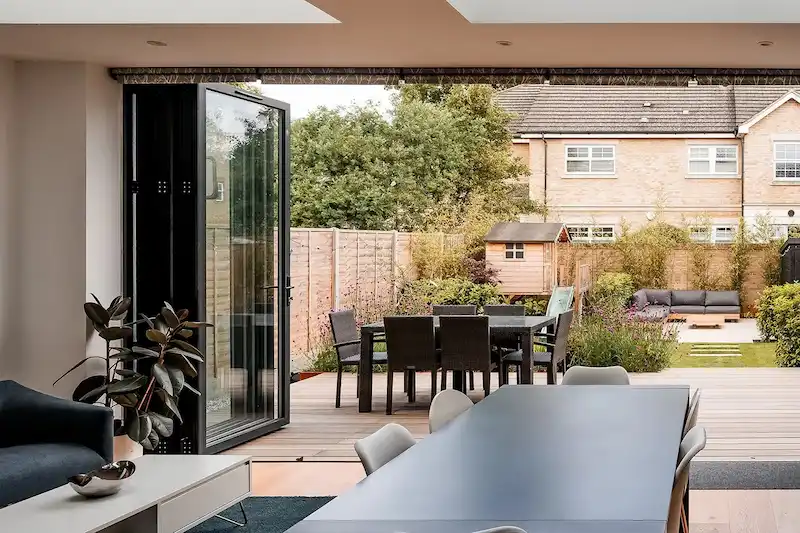
A modular extension is a house extension where the frame and panels are made in a factory, then hand-assembled on site — no cranes required. Here's how they work, what they cost, and whether they need planning.
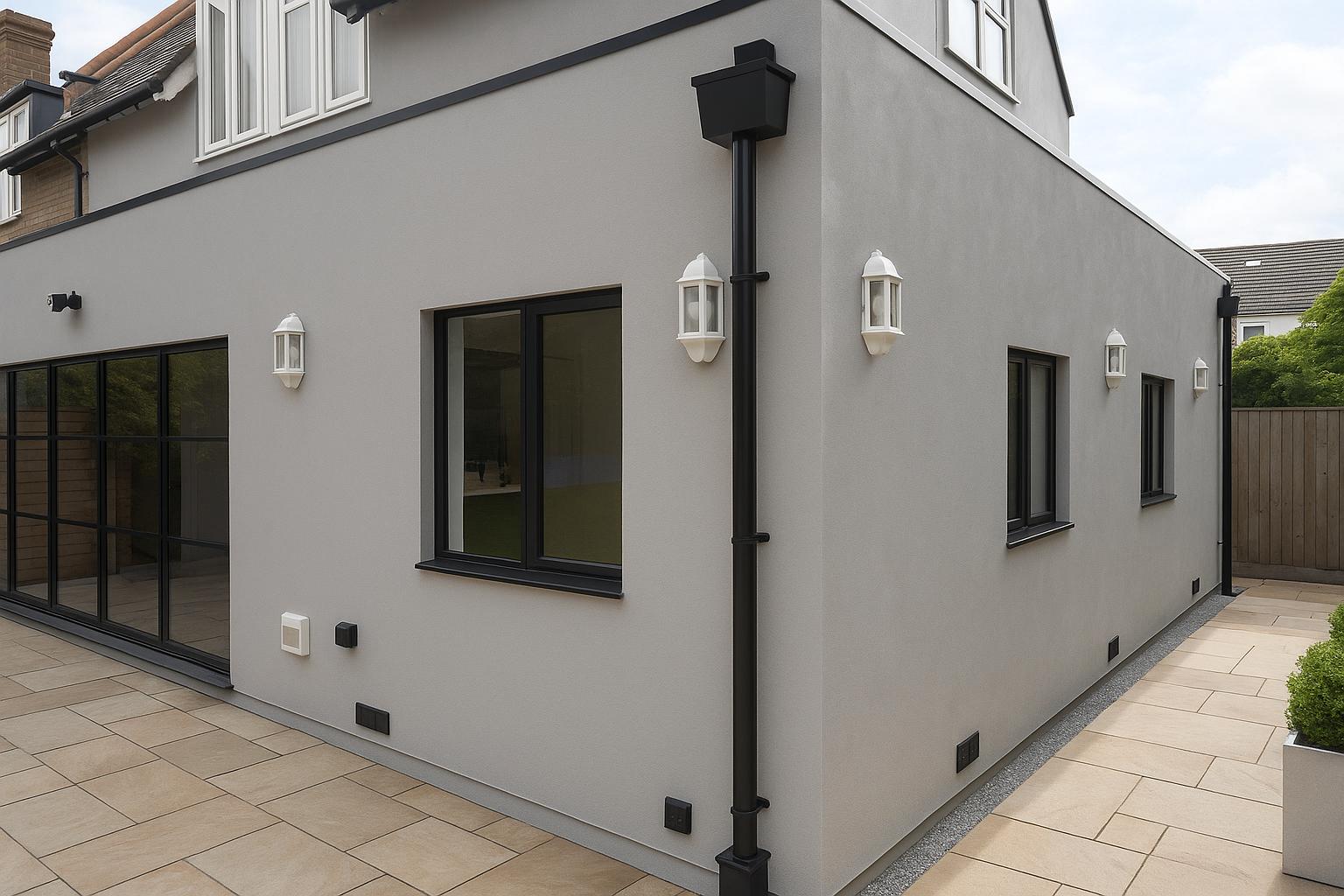
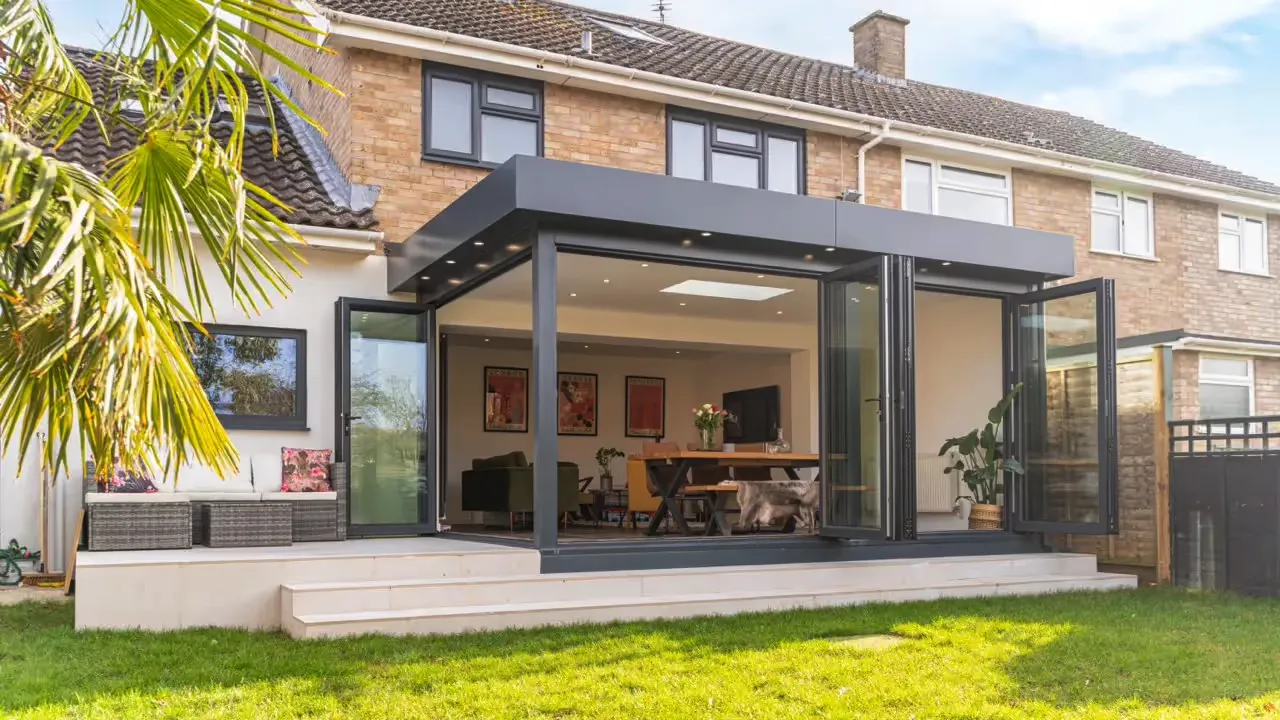
London homeowners are constantly seeking innovative ways to maximise their living space in a city where every square foot counts. For many, a traditional extension can feel like a daunting prospect – lengthy construction times, unpredictable costs, and significant disruption to daily life. This is where modular house extensions step into the spotlight, promising a faster, more efficient, and often more cost-effective alternative.

In today’s healthcare sector, where patient demands and operational efficiency are at the forefront, modular construction has emerged as a transformative solution.

The education sector is evolving rapidly, with schools, higher education colleges, and universities needing adaptable and cost-effective infrastructure to meet growing student demands.

Planning permission is a crucial aspect to consider when you're contemplating adding a modular extension to your home.

When it comes to adding extra space to your home, you have two main options: a garden room or a house extension.
Please kindly note that our minimum order value for a typical 3m x 3m (9 SQ/M) size modular extension is £30,000 inclusive.
We would love to hear about your modular building requirements and create a space you will be proud of. Please complete our enquiry form below where one of our team will contact you usually within 24 hours of your enquiry.
Please contact us to arrange a visit to our showroom or nearest completed project to you


%20(1).webp)

.avif)
.jpg)
